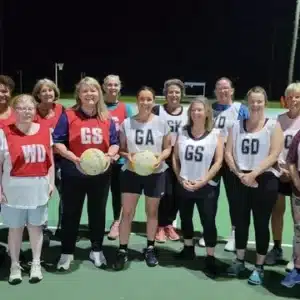
Have a ball playing this gentler form of soccer that’s easier on the joints than the traditional game.
Soccer is one of those sports we sometimes have to give up when we get older. All the running, kicking, and pivoting place big demands on the body, especially our balance and joints. But a new trend is helping people get back onto the pitch (field) or, in some cases, start playing for the first time. It’s called walking soccer.
What is walking soccer?
Walking soccer is played just like it sounds — players can only walk as they pass and kick the ball around the pitch and try to get it into the other team’s goal, and they must always have at least one foot in contact with the ground.
The walking soccer pitch is smaller than a standard-sized playing field, and the goals are shorter and smaller. Each team is smaller too, with seven people playing at a time instead of 11.
The ball is also different: a size 4 “futsal” ball, which is smaller and less bouncy than regular soccer balls.
Walking soccer benefits
While walking soccer is a gentler form of the sport, it’s still packed with health benefits. It’s a great way to socialize, get your daily steps in, stay active, and exercise at a speed that’s comfortable for your body. And playing reinforces essential skills.
“You get to practice your pivoting motion and anticipate and react to the ball’s direction. This is very helpful for maintaining and improving your balance,” says Kevin McEnroy, a physical therapist at Harvard-affiliated Brigham and Women’s Hospital.
Another plus: by kicking and passing the ball during the game, you maintain your ability to produce power. “As we get older, if we aren’t participating regularly in sports or doing resistance training, one of the biggest things we lose is the ability to produce hard or fast forces. We need that force to be able to do something like get out of a chair and stand up. The repetitive moves in walking soccer can likely help you preserve your abilities,” McEnroy says.
Staying active in a sport like walking soccer also helps protect cartilage cushions inside the knees called menisci (singular: meniscus), which are prone to tears after age 50. “By staying active, you keep the menisci healthy and less likely to fray,” McEnroy says…
READ MORE at source: https://www.health.harvard.edu/exercise-and-fitness/exercise-trend-alert-walking-soccer
#walkingfootball #walkingsoccer #walkingsports #walkingsport