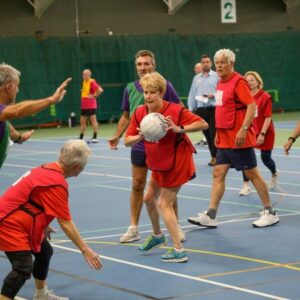
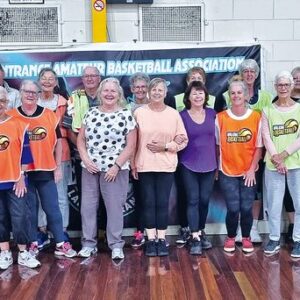
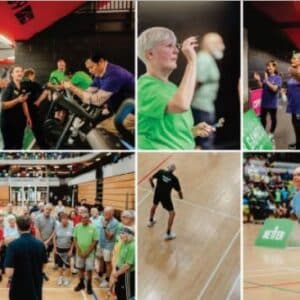
Uganda’s grannies are redefining aging through cricket, tackling non-communicable diseases and social isolation in a powerful, community-led health movement.
The morning mist has barely lifted off the rural pitch in Jinja, yet the rhythmic thwack of leather on willow already echoes across the field. Here, in the heart of Uganda’s Eastern Region, a team of women—most well into their seventh and eighth decades—are not merely playing a sport they are engaged in a quiet revolution against the sedentary expectations of old age.
For these women, affectionately dubbed the “Cricket Grannies,” the game is a defiant response to a mounting public health crisis. As non-communicable diseases (NCDs) like hypertension, diabetes, and heart disease claim a growing percentage of lives among the elderly in East Africa, these grandmothers have traded traditional, passive retirement for the rigorous, strategic pace of the crease. Their movement represents a stark departure from cultural norms that often relegate older citizens to the sidelines of public life, proving that agility—both physical and social—is not exclusively the domain of the young.

The Anatomy of a Quiet Revolution
The Cricket Grannies of Uganda are not chasing professional trophies or international contracts. Their movement, which has gained significant traction in Jinja and surrounding districts, is rooted in the philosophy that “exercise is medicine.” For many participants, the weekly cricket sessions provide a structured, low-impact environment that combats the isolation and physical atrophy that frequently accompany the aging process in rural settings.
The initiative does not rely on sophisticated infrastructure. Instead, it utilizes community grounds, basic equipment, and the collective willpower of women who refuse to accept declining mobility as an inevitability. Coaches and community health volunteers who support the program emphasize that the game is modified to accommodate varying levels of fitness, focusing on hand-eye coordination, balance, and sustained movement rather than high-intensity sprinting.
Health Benefits Reported: Participants cite improvements in mobility, reduction in chronic body pain, and better blood pressure management.
Social Cohesion: The pitch serves as a community hub, reducing the psychological burden of loneliness and fostering intergenerational bonds as younger community members often assist with training.
Economic Impact: By reducing reliance on pharmaceutical interventions for preventable lifestyle conditions, the program lessens the financial strain on families and local healthcare systems.
The Numbers Behind the Health Crisis
The urgency of the Cricket Grannies’ movement is underscored by sobering health data from across Uganda and the wider East African region. Research published by public health agencies indicates that non-communicable diseases are no longer an “urban” or “wealthy” issue but a dominant driver of mortality among the elderly across all socioeconomic strata.
Data triangulated from health demographic surveys reveals the following trends among the aging population in Uganda:
Prevalence: Approximately 23% of older Ugandans report living with at least one chronic non-communicable disease.
Gender Disparity: Elderly women consistently report higher incidences of hypertension and heart-related complications compared to their male counterparts, often linked to distinct social and dietary lifestyle factors.
Mortality Risk: Cardiovascular diseases are the leading cause of NCD-related deaths in the region, with sedentary behavior being a primary modifiable risk factor.
Health experts note that the transition toward sedentary lifestyles, combined with the loss of traditional, labor-intensive agrarian roles, has left many older women vulnerable. When researchers compared the physical health outcomes of active older adults against those who remain sedentary, the former showed a significantly higher likelihood of maintaining independent living—a metric that translates directly into lower long-term care costs for the state and the family unit.
Shattering Societal Norms
In many East African communities, the concept of a “cricketing grandmother” disrupts deep-seated cultural expectations. Sociologists argue that aging is frequently framed as a period of retirement from physical exertion, with the elderly expected to focus solely on advisory or domestic roles. By claiming the field, these women are challenging the gendered and ageist assumptions about who has the right to leisure and physical space…
CONTINUE READING at source: https://streamlinefeed.co.ke/news/ugandas-cricket-grannies-rewrite-the-rules-of-aging
Looking for the right gear? Browse our recommended walking sports shoes & gearBrowse Recommendations →As an Amazon Associate, Walking Football Limited earns from qualifying purchases. These are independently selected products from other sellers, not our own brand.Related Posts
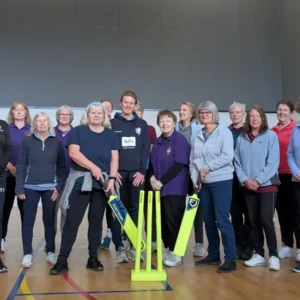
Women encouraged to try walking cricket sessions

New Age UK walking cricket sessions for elderly people in Blackburn with Darwen
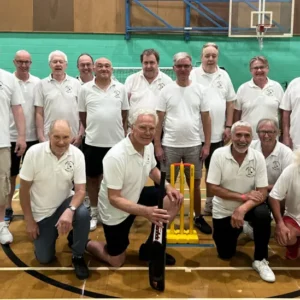
Walking Cricket has changed my life,” says Bexhill club member

Foundation’s Walking Cricket Programme Expands Across the North East with 11 Active Community Hubs

English people enjoy ‘walking cricket’ in Britain: Up to 87-year-old can participate; batter can continue after out

Walking cricket helping those with age related needs keep active and beat loneliness
#walkingcricket #walkingsports #walkingsport