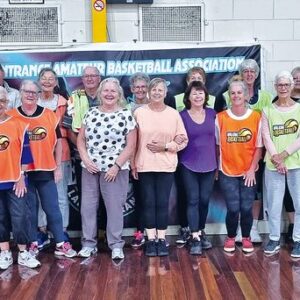
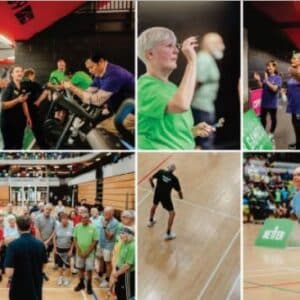
In recent years, a new trend has quietly taken the sports world by storm, capturing participants’ hearts from every age bracket. Walking sports, variations of traditional games where running is swapped out for walking, have emerged as a vibrant and inclusive way to stay active.
These walking versions of soccer, basketball, and other favorites are making waves for their novelty and incredible ability to unite people of all ages in pursuing fun, fitness, and community.
Walking sports are a game-changer for everyone, from young adults seeking a less intense introduction to team sports to older adults looking for a safe way to maintain their physical activity levels. Below, let’s explore the rising popularity of walking sports and discover what makes them appealing to people across the age spectrum.
A New Take At Sports Betting
Betting on walking sports is gradually becoming a niche yet growing market, appealing to enthusiasts and bettors looking for new opportunities and challenges.
Unlike faster-paced games, the strategic and slower-paced gameplay of walking sports introduces a different set of variables to consider, making betting a much more nuanced endeavor.
Enthusiasts of this trend argue that it adds extra excitement to watching and participating in such sports, providing a social and analytical component to the games.
While still in its infancy, the betting scene around walking sports signifies a broader shift towards more inclusive and diverse sporting events in the gambling industry.
As walking sports continue to gain popularity, more sports betting platforms are expected to begin offering odds on these matches, catering to a demographic that appreciates the blend of physical activity, strategy, and community these sports offer.
A Gentle Yet Effective Workout
Physical activity benefits individuals of all ages, enhancing academic performance in youths, increasing cognitive function in adults, and reducing the risk of falls in the elderly. Exercise plays a critical role at every life stage, underscoring its importance across the lifespan.
However, if we reach our senior age, our bodies can’t handle the intensity of exercise we were used to when we were younger. That’s when walking sports come into play.
Remember that soft physical activities are critical in helping the elderly sustain their autonomy, muscular strength, and suppleness. Participating in gentle, low-impact exercises, such as yoga, tai chi, or swimming, can enhance their physical capabilities and facilitate smoother completion of everyday tasks.
Consistent exercise also aids in preventing typical age-associated conditions such as arthritis and osteoporosis.
Walking sports, such as football or basketball, provide a fantastic cardiovascular workout without the high impact and strain associated with traditional versions of these games. This aspect makes them particularly appealing to older adults, individuals recovering from injuries, or those looking to stay active without overexerting themselves.
Social Engagement and Mental Well-being
Another reason walking sports have grown in popularity is that they have become a beacon of social engagement and mental well-being. The allure of walking sports extends far beyond the physical health benefits. Their profound impact on mental health and social connections is at the heart of their rising popularity.
In an era where loneliness and social isolation are on the rise, these activities offer a powerful antidote. They provide a sense of community, allowing participants to forge new friendships and strengthen existing ones in a fun, relaxed, supportive environment.
Regular participation in walking sports significantly enhances mental well-being. Gentle exercise increases the release of endorphins, reducing stress and anxiety, while the social aspect helps combat feelings of isolation and depression.
This combination of physical activity and social interaction is key to maintaining a healthy mind and fostering participants’ sense of belonging and emotional support.
Furthermore, walking sports are adaptable, making them accessible to those who may find conventional sports challenging due to age, health issues, or mobility restrictions.
This inclusivity broadens the opportunity for engagement, drawing people from diverse backgrounds and abilities into the community. This welcoming atmosphere encourages sustained participation, ensuring individuals start and continue to engage with these sports long-term.
Accessibility and Inclusivity
Studies repeatedly demonstrate the multifaceted advantages of engaging in physical activities within an environment that promotes inclusiveness and warmth.
Individuals reap physical, mental, and social rewards, and the broader community and societal structures also stand to gain. Exploring the significance of prioritizing inclusivity unveils numerous compelling arguments for its essential role.
Walking sports is one of the activities that offers accessibility and inclusivity in all age groups. This innovative approach allows individuals of all ages, abilities, and fitness levels to engage in popular sports without the intensity and physical demand often accompanying conventional versions.
Walking sports emphasize involvement’s social and health benefits, making them friendly for people who would not feel comfortable participating in more intense sports.
Final Thoughts
Walking sports are more than just a passing trend. They represent a shift in how we view physical activity and sports participation, emphasizing the importance of inclusivity, health, and community. Whether you’re looking to improve your physical fitness, meet new friends, or simply enjoy the thrill of the game at a gentler pace, walking sports offer something for everyone.